
Van’s Aircraft Insurance
Specialist cover for RV kit planes — from build to flight.
Protect your Van’s Aircraft with insurance tailored specifically for RV builders and owners. Whether you’re in the construction phase, nearing completion or already flying, we provide flexible cover to suit your aircraft, experience level and how you use it.
From build-phase protection through to full in-flight cover, our policies are designed to support you at every stage of ownership. Backed by specialist aviation expertise, we’ll help you secure the right level of protection with confidence.
Custom Insurance Solutions for Van’s Aircraft
Van’s Aircraft operate in a distinct segment of general aviation where no two aircraft are identical. Unlike factory-built aircraft, RV models are assembled by individual builders, often with varying engines, propellers, avionics packages, and finishing standards. This individuality requires a more detailed underwriting approach.
From RV-6 and RV-7 aircraft through to newer RV-10 and RV-14 builds, we structure policies that reflect both the aircraft specification and the builder’s experience. Insurers consider factors such as build quality, documented construction history, and whether the aircraft has completed Phase 1 flight testing.
These aircraft are typically flown privately, but many are capable of high performance, IFR operations (where permitted), and long-distance touring. Their performance-to-weight ratio and handling characteristics differ significantly from standard training aircraft, which insurers factor into both pricing and pilot requirements.
AGL Aviation understands how to present experimental aircraft risks clearly to insurers, helping streamline approvals and secure competitive terms even for unique or highly customised builds.
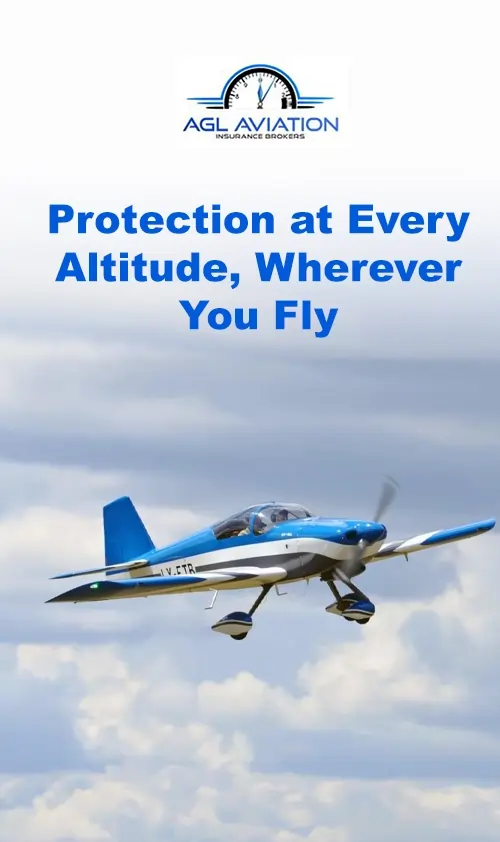

Get the Right Protection for Your Van’s Aircraft
▶ Protection during build, testing, and flight
Cover can be arranged for aircraft still under construction, including protection against damage, theft, or workshop incidents. Once completed, hull insurance extends to flight, taxiing, and ground risks. Given the hands-on nature of RV ownership, ensuring continuous protection across all stages is critical.▶ Liability protection for experimental operations
Liability insurance protects against third-party injury or property damage. While most Van’s Aircraft are privately operated, passenger liability still applies and should be structured appropriately. Even minor incidents can lead to significant legal costs, making adequate limits essential.▶ Confidence for builders and owner-pilots
A Van’s Aircraft represents a substantial personal investment of both time and money. Insurance provides financial protection and peace of mind, allowing you to focus on safe flying and enjoying the aircraft you’ve built.Van’s RV Models We Arrange Insurance For
Van’s Aircraft RV models span a broad range of configurations, from nimble two-seat aircraft designed for recreational flying through to larger four-seat platforms suited to cross-country travel. While they share a common design philosophy, each model differs in performance, complexity, and typical usage.
We arrange insurance for a wide selection of RV aircraft across Australia, taking into account how each model is equipped and operated. The following overview highlights the RV variants we commonly cover and the general characteristics insurers consider when assessing these aircraft.
| Van’s Aircraft Category | Common Models | Typical Use & Coverage |
|---|---|---|
| Two-Seat Recreational RV Aircraft | RV-3, RV-4, RV-6, RV-7, RV-8 | • Primarily owner-flown aircraft used for recreational flying and short to medium cross-country trips. • Known for responsive handling and higher performance compared to basic training aircraft. • Coverage typically includes hull, liability, passenger liability (where applicable), and ground risks. • Underwriters assess pilot experience, tailwheel endorsements (for certain models), and hours on type. |
| Four-Seat Touring RV Aircraft | RV-10 | • Designed for longer-distance touring with family or passengers. • Commonly used for cross-country travel and private transport. • Coverage includes higher hull values, passenger liability, and optional loss-of-use. • Insurers focus on pilot experience in heavier, higher-performance aircraft and passenger exposure. |
| Light Sport & Entry-Level RV Aircraft | RV-9, RV-12 | • Often chosen for lower-speed, efficient flying and entry into RV ownership. • Suitable for recreational use, training (where permitted), and economical cross-country flights. • Coverage typically includes hull, liability, and ground risks, with flexible limits based on usage. • Underwriters may consider lower pilot experience thresholds compared to higher-performance RV models. |
What Van’s Aircraft Insurance Can Cover
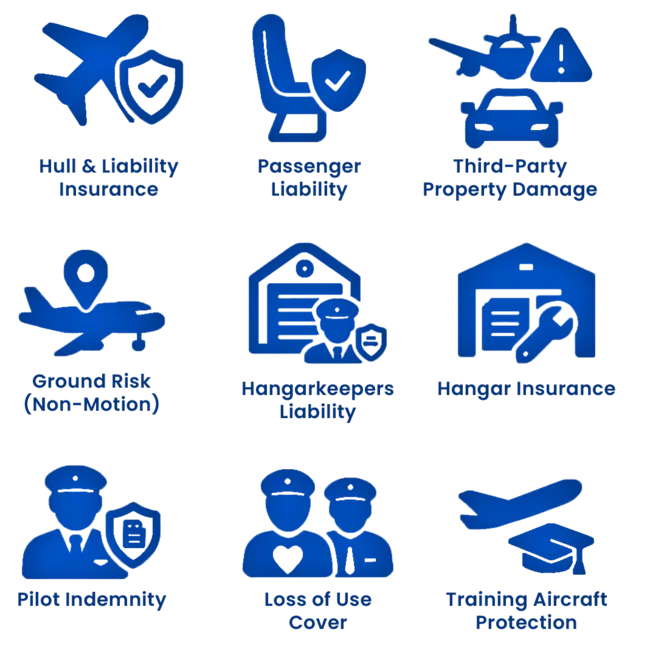
▶ Build Phase & Hull Insurance (In Flight, Taxiing, Ground Risks)
For Van’s Aircraft, protection often begins before the aircraft ever flies. Build phase insurance can cover damage, theft, or loss while the aircraft is under construction, stored in a workshop, or being transported between locations.
Once completed, hull insurance extends to cover accidental physical damage during flight, taxiing, and while on the ground. Cover can be arranged for “all risks” or ground risks only, depending on the stage of the aircraft. Agreed value policies are commonly used to reflect the true cost of parts, avionics, and the overall build investment, which can vary significantly between aircraft.
▶ Liability Insurance
Liability insurance protects the owner or pilot against claims arising from third-party injury or property damage caused by the aircraft. This includes damage to other aircraft, hangars, vehicles, or infrastructure, as well as injuries to people on the ground.
Even for privately operated RV aircraft, liability exposure can be significant. Policies typically include legal defence costs in addition to settlement amounts, up to the selected limit. Liability limits are structured based on how the aircraft is used, where it is operated, and the level of passenger exposure.
▶ Passenger Liability
Passenger liability provides cover for injury or death of passengers carried in the aircraft. This is particularly relevant for models like the RV-10, where multiple passengers may be on board during cross-country flights.
Limits can be set per passenger or as a combined single limit, depending on the policy structure. Even in private operations, ensuring appropriate passenger liability is essential, particularly for longer flights or when carrying family and friends.
▶ Loss of Use
Loss of use cover provides financial support if the aircraft is unable to be flown following a covered claim. While less commonly used for purely recreational aircraft, it can still be valuable for owners who rely on their aircraft for regular travel or business-related flying.
Indemnity is typically subject to a waiting period and defined limits, helping offset costs associated with downtime while repairs are completed.
▶ Operational and Build Considerations
Insurance for Van’s Aircraft often includes specific conditions relating to the experimental category. Insurers may require confirmation that the aircraft has completed its Phase 1 flight testing, or apply restrictions during initial test hours.
Pilot requirements are also closely assessed. Insurers typically look at total flight hours, hours on type, and whether appropriate transition training into RV aircraft has been completed. For certain models, tailwheel endorsements or additional experience may be required.
Because each aircraft is builder-specific, documentation around construction, modifications, and maintenance can also influence coverage. Ensuring these requirements are met is essential, as failure to comply with policy conditions can impact claim outcomes.
Key Factors That Affect Van’s Aircraft Insurance Costs
Van’s Aircraft insurance premiums are influenced by a combination of build quality, aircraft specification, pilot experience, and how the aircraft is operated, rather than a fixed rate tied to the model alone.
- Aircraft Factors
- Pilot Factors
- Operational Factors
- Build Stage & Test Flight Factors
- Build quality, builder, and documentation: Van’s Aircraft are typically owner-built, which means insurers pay close attention to the quality of construction, who completed the build, and whether clear build logs, maintenance records, and modification details are available. A well-documented aircraft with a clear history is generally easier to assess than one with limited records.
- Model, configuration, and performance: Different RV models carry different risk profiles. A two-seat RV used for recreational flying is assessed differently from an RV-10 used for longer cross-country trips with passengers. Tailwheel configuration, aerobatic capability, cruise speed, and overall handling characteristics can all influence underwriting.
- Hull value and custom upgrades: The insured hull value is one of the strongest pricing drivers. Van’s Aircraft can vary significantly in value depending on engine choice, avionics, paint, interior finish, and build quality. Higher agreed values increase the insurer’s exposure in the event of a total loss.
- Engine, propeller, and modifications: Engine choice, propeller type, and non-standard modifications can affect both performance and repair complexity. Constant-speed propellers, upgraded powerplants, and highly customised installations may increase parts costs, repair times, and underwriting scrutiny.
- Avionics and instrumentation: Modern glass panels, autopilots, IFR-capable equipment, and integrated avionics packages can add substantial value to an RV aircraft. These systems may require specialist repair or replacement after an incident, so insurers assess avionics values carefully when setting the hull sum insured.
- Hangar vs tiedown storage: Storage arrangements affect ground-risk exposure. Hangared aircraft are better protected from hail, wind, UV damage, corrosion, and vandalism. Aircraft kept outdoors may attract different terms or deductibles, particularly in areas exposed to severe weather.
- Total flight hours: A pilot’s total flying experience is a key indicator of overall competency and exposure to different conditions. Higher total hours are generally viewed more favourably, although insurers also assess how relevant that experience is to the aircraft being insured.
- Hours on type (RV aircraft): Experience flying Van’s Aircraft is heavily weighted due to their responsive handling and higher performance compared to basic trainers. Pilots with limited RV time may face higher premiums or specific conditions until sufficient hours on type are gained.
- Tailwheel experience (where applicable): Many RV models are tailwheel aircraft, which require additional skill during take-off and landing. Insurers often require tailwheel endorsements or demonstrated experience before providing full cover.
- Transition training: Formal transition training into RV aircraft is strongly encouraged and often viewed positively by insurers. Completing recognised training helps reduce risk during the early stages of ownership and can improve insurance terms.
- Recency of experience: Insurers consider how recently the pilot has flown, typically reviewing hours in the past 90 days and 12 months. Regular flying activity is associated with lower risk, while long periods of inactivity may require refresher training before cover applies.
- Type of use: Most Van’s Aircraft are used for private recreational flying or cross-country touring, which generally attracts lower premiums than higher-frequency operations. More intensive usage patterns or regular long-distance flying can increase exposure and influence pricing.
- Aerobatic operations: Certain RV models are designed for aerobatic flight. If aerobatics are part of the aircraft’s intended use, insurers will typically adjust premiums and may apply specific conditions or limitations due to the increased risk profile.
- Operating environment and airstrips: Aircraft regularly operating from unsealed runways, short strips, or remote locations present additional risks such as uneven surfaces, wildlife, and limited emergency support. These factors can affect both premium levels and policy terms.
- Geographic location: Where the aircraft is based can influence exposure to environmental risks such as hail, strong winds, coastal corrosion, or extreme temperatures. Insurers consider local conditions when assessing overall risk.
- Passenger carrying: Carrying passengers, particularly in models like the RV-10, increases liability exposure. Insurers assess how often passengers are carried and the nature of those operations when determining liability limits and premiums.
- Build stage (under construction vs completed): Insurance requirements differ significantly depending on whether the aircraft is still being built or fully operational. Aircraft under construction are exposed to risks such as workshop damage, theft, fire, and transport incidents, which are assessed differently to flight-ready aircraft.
- Phase 1 flight testing: Newly completed Van’s Aircraft must undergo an initial flight test period (Phase 1), which is considered a higher-risk stage. Insurers may apply specific conditions, higher premiums, or restrictions until a defined number of test hours have been safely completed.
- Builder vs subsequent owner: Aircraft operated by the original builder may be viewed more favourably due to familiarity with the aircraft’s systems and construction. Subsequent owners may be required to demonstrate transition training or additional experience before full cover is applied.
- Modifications and post-build changes: Any modifications made after initial construction, such as engine upgrades or avionics changes, can alter the aircraft’s risk profile. Insurers assess these changes to ensure the aircraft remains within acceptable parameters for coverage.
- Documentation and certification status: Completion certificates, maintenance records, and compliance with experimental category requirements are important factors. Clear and complete documentation helps insurers accurately assess risk and can influence both eligibility and premium levels.
What Does Van’s Aircraft Insurance Cost?
Van’s Aircraft insurance costs can vary widely depending on the aircraft’s build quality, specification, and how it is operated. Unlike certified aircraft, RV models do not follow standard pricing brackets, as each aircraft is effectively unique in terms of value, configuration, and risk profile.
The ranges below provide a general guide based on typical recreational use in Australia. Actual premiums will depend on factors such as hull value, pilot experience, storage arrangements, and whether the aircraft has completed its test flight phase.
| Van’s Aircraft Category | Example Models | Estimated Premium Range Per Annum (AUD) | Remarks |
|---|---|---|---|
| Two-Seat RV Aircraft (Recreational) | RV-6, RV-7, RV-8 | $2,500 – $6,500 | Lightweight, high-performance recreational aircraft. Premiums influenced by tailwheel experience (where applicable), hours on type, and build quality. Aerobatic use (if declared) may increase premiums and introduce additional conditions. |
| Four-Seat Touring RV Aircraft | RV-10 | $4,500 – $10,000 | Higher hull values and passenger capacity increase liability exposure. Used for cross-country touring and private transport. Premiums driven by pilot experience, passenger liability limits, and aircraft value. |
| Light Sport / Entry-Level RV Aircraft | RV-9, RV-12 | $2,000 – $5,000 | Lower performance and typically lower hull values compared to other RV models. Often flown for recreational or efficient cross-country use. Premiums influenced by pilot experience, aircraft specification, and storage conditions. |
| Build Phase / Newly Completed Aircraft | All RV Models (During Build or Phase 1) | $1,500 – $4,000+ | Covers aircraft under construction or early test flight stage. Higher risk during initial flight testing (Phase 1) may result in additional conditions or loadings. Premiums depend on build stage, declared value, and pilot qualifications. |
➜ Learn more about Aircraft Insurance Costs
How to Get the Right Van’s Aircraft Insurance in Australia
▶ Work with an aviation specialist broker
Experimental and kit-built aircraft require a different level of understanding compared to standard general aviation. A specialist broker knows how insurers assess RV builds, pilot experience, and modifications, helping ensure your policy is structured correctly from the outset.▶ Be clear about your build and configuration
Providing accurate information about your aircraft, including engine type, avionics, modifications, and build history, allows insurers to assess the risk properly. Incomplete or unclear details can lead to delays, exclusions, or issues at claim time.▶ Match your cover to how you actually fly
Whether you use your RV for weekend recreational flying, cross-country touring, or occasional passenger trips, your policy should reflect real-world usage. Misalignment between declared use and actual operation can create coverage gaps.▶ Complete transition training where required
If you’re new to Van’s Aircraft, completing recognised transition training can improve insurer confidence. It may also help reduce premiums or remove certain operational restrictions, particularly for higher-performance or tailwheel models.▶ Review your policy as your aircraft evolves
RV aircraft often change over time, whether through avionics upgrades, engine modifications, or increased pilot experience. Regular reviews ensure your insured value, liability limits, and policy conditions remain aligned with your current setup.
Why Choose AGL Aviation for Van’s Aircraft Insurance
- Experience with experimental aircraft risks: We understand the differences between factory-built and amateur-built aircraft, including how insurers assess build quality, test phases, and modifications.
- Access to specialist aviation insurers: Not all insurers offer cover for experimental aircraft. We work with markets that understand RV aircraft and are comfortable underwriting unique builds.
- Tailored advice for builders and owner-pilots: Whether you’re mid-build or actively flying, we structure cover around your stage of ownership and operational profile.
- Support throughout the insurance lifecycle: From initial placement through to claims support, we assist directly with insurers to help minimise downtime and keep the process straightforward.
INSURE YOUR VAN’S AIRCRAFT WITH CONFIDENCE
Specialist Insurance For RV Aircraft — From Build Phase To Ongoing Flying
Van’s Aircraft aren’t standard aircraft — and your insurance shouldn’t be either. Whether you’re still building, completing test flights, or flying regularly, we structure cover around your specific RV, not a generic policy.
Talk directly with an aviation insurance specialist who understands experimental aircraft and how they’re actually operated. Reach out today to get started.
Fill Out Our Form for Your Custom Aviation Insurance Quote Today
Frequently asked questions
Your Van’s Aircraft Insurance Questions Answered
Often, yes, particularly for multi-engine and turbine models. Higher hull values, complex systems, and commercial usage can increase Beechcraft insurance costs compared to basic single-engine trainers.
Yes, subject to underwriting approval. Insurers assess pilot turbine time, multi-crew experience, operational procedures, and maintenance programs before offering charter terms.
Yes, provided the training operation is disclosed, and instructor qualifications meet insurer requirements. Premiums reflect higher utilisation and student exposure.
Sudden accidental engine damage may be covered, subject to policy terms. Wear and tear, or mechanical failure without an insured event, is generally excluded.
Yes. Owner-flown business use can be included without triggering hire-and-reward classification, provided no revenue is generated from passenger carriage.
Didn’t find the answers to your questions? Don’t hesitate to contact us.